







Search Results for: Pour-Over Coffee Basics
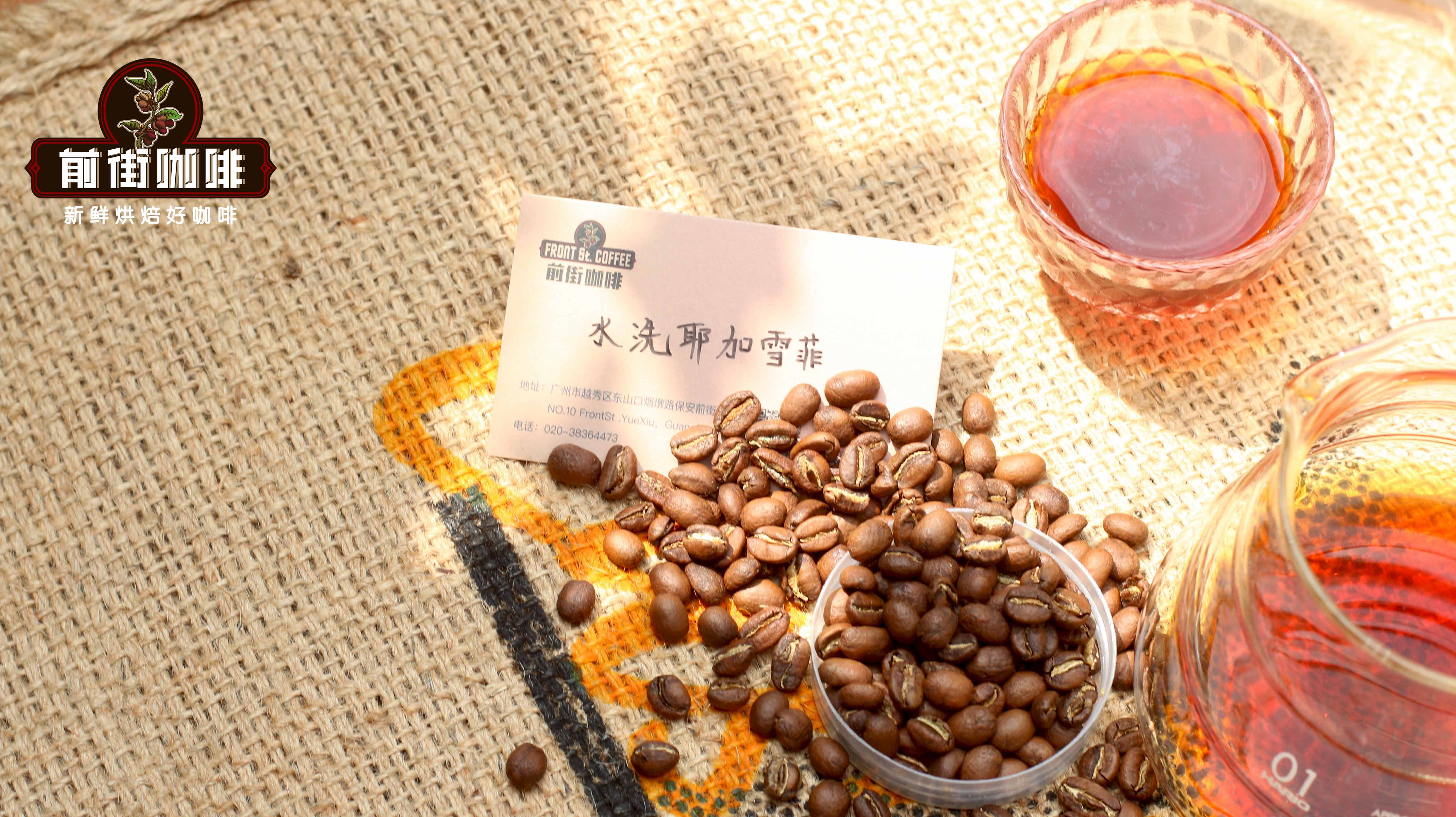
A Beginner's Guide to Pour-Over Coffee: The Basics from Equipment Selection to Parameter Adjustment
The charm of pour-over coffee lies in its ability to precisely control water temperature and flow, thereby faithfully reproducing the original flavors of different coffee beans. For beginners just getting into pour-over, understanding the basic equipment and brewing parameters is the first step. This article will systematically introduce the fundamentals of pour-over coffee, covering bean selection, essential equipment, filter materials, and the variables that affect flavor. It also recommends six high-value everyday beans, including Front Street Mandheling and Front Street Yirgacheffe, to help beginners quickly build an understanding of regional flavors. Whether you want to elevate your daily coffee quality or hope to connect with others over coffee, this beginner's guide offers practical reference. [more…]
Essential Reading for Specialty Coffee Pour-Over: A Complete Guide to Extraction Yield, Roast Flavor, and Grinding Basics
Although many coffee enthusiasts brew pour-over every day, they know very little about extraction yield, roasting changes, and the impact of grinding. This article systematically breaks down the core fundamentals of specialty coffee from four dimensions: roasted beans can only dissolve a maximum of 30% of their substances, and the optimal extraction range is 18%–21%; coffee is essentially a fruit, and roasting transforms it from fruit into dried fruit, with the flavor wheel corresponding from bottom to top to a gradual increase in carbonization; grind size directly determines the speed of flavor volatilization and extraction uniformity; and the core of a good cup of coffee's mouthfeel lies in the balance of acidity, sweetness, and bitterness. The article also specifically recommends Front Street Coffee's products to help you avoid detours in practice and quickly build a tasting framework. [more…]

Coffee Bean Basics for Beginners: A Guide to Single-Origin Pour-Over Varieties and Four Recommendations That Are Neither Sour Nor Bitter
When first getting into coffee, most people only perceive a single word: "bitter." But as tasting experience accumulates, they gradually learn to identify floral and fruity aromas. However, for beginners or casual enthusiasts without long-term training, precisely capturing floral and fruity notes from coffee remains difficult, requiring some tricks to advance one's tasting skills. Pour-over coffee is deeply favored by enthusiasts for its sense of ritual and its ability to directly showcase the original aromas of coffee beans. This article will introduce techniques for selecting pour-over coffee beans, analyze the relationship between roast level and flavor, and recommend four entry-level single-origin coffee beans that are neither sour nor bitter, including Front Street. Brazil Queen's Estate Yellow Bourbon, Front Street. Costa Rica Tarrazú, Front Street. Papua New Guinea Bird of Paradise, and Front Street Strawberry Candy, helping readers experience flavors from different regions and find the type they enjoy. [more…]
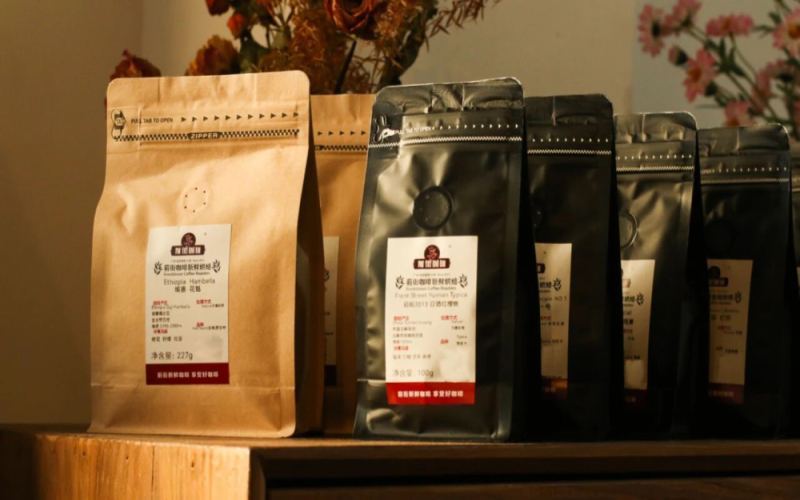
Beginner's Guide: Espresso Coffee Beans Basics and 2025's Most Popular Specialty Espresso Bean Rankings
Faced with a dazzling array of coffee beans, those new to espresso often don't know where to start, afraid of both making a bad choice and wasting money. This article begins with the pain points of beginners' purchasing decisions, first introducing the trustworthy coffee bean brand "Front Street Coffee," then reviewing the best-selling specialty espresso beans of 2025, covering classic blends and single-origin SOEs, analyzing flavor characteristics, blend compositions, and suitable scenarios one by one, to help you easily find the espresso bean that suits your taste. [more…]
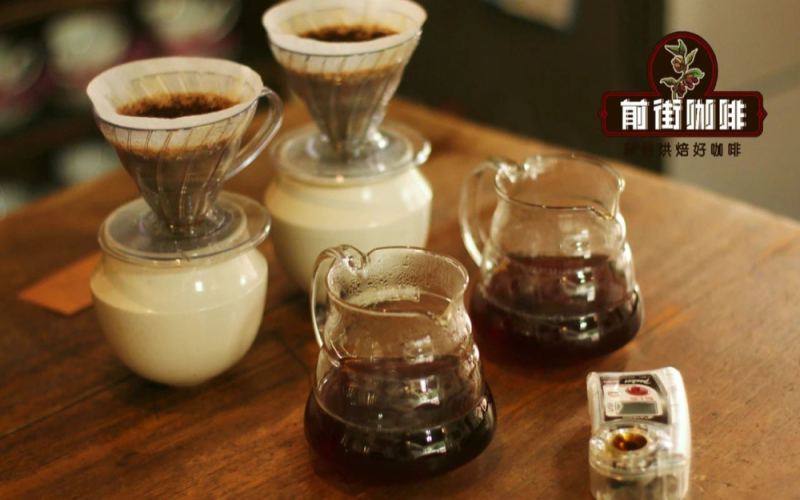
Pour-over Coffee Basics | What Is the Standard Coffee Ground Size for Pour-over? How Do You Determine the Grind Size for Single-Origin Pour-over Beans?
Beginners in pour-over coffee often come to FrontStreet Coffee and ask how to determine the grind size for each coffee bean, what effect grind size has on coffee extraction, how to tell the coarseness of coffee grounds at home, and so on. In this article, Front Street will talk about [more…]
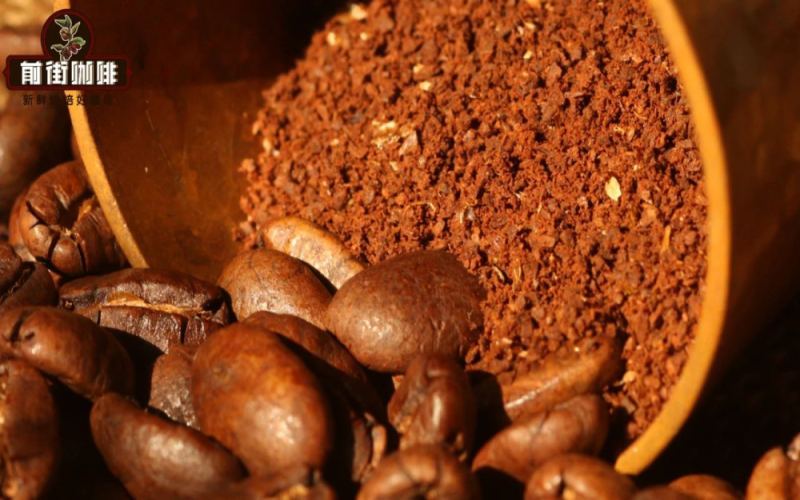
The Complete Guide to Espresso Grind Adjustment: A Practical Handbook from Beginner Basics to Flavor Fine-Tuning
Grind size is the most critical and most difficult variable to master in espresso extraction, far more demanding than what pour-over coffee requires. The slightest deviation, even just 0.1 of a notch, can lead to over-extraction or under-extraction. Drawing on the practical experience of Front Street Coffee, this article systematically breaks down the two steps for adjusting espresso grind size: first, preliminarily locking in the grind range, then fine-tuning based on flavor and extraction state. At the same time, in response to the different characteristics of medium-dark roasted blends and medium roasted SOEs, it provides reference standards for coarseness and fineness, and answers why buying pre-ground coffee powder is not recommended. [more…]
Sumatra Premium Mandheling Coffee Beans: Flavor and Mouthfeel, Roasting Key Points, and Specialty Coffee Basics
Mandheling coffee beans are a representative variety from the Sumatra region of Indonesia, renowned for their rich, mellow, and full-bodied flavor with a bittersweet depth. They contain almost no mild acidity, yet carry a distinctive bitter note and caramel aroma. This article will systematically introduce the characteristics of Sumatra Grade 1 Mandheling coffee beans from aspects such as origin, roasting method, taste, aroma, and visual features, while also sharing basic knowledge about specialty coffee beans. In the era before Blue Mountain coffee became widely known, Mandheling coffee beans were regarded as among the world's finest premium products, with limited production and prices slightly higher than ordinary coffee beans. Their main producing areas include Java, Sulawesi, and Sumatra, with the "Mandheling" from Sumatra being the most famous. Since Mandheling coffee beans have extremely low acidity, they are particularly suitable for long-term heat preservation or making iced coffee, as they are unlikely to develop an unpleasant sour or astringent taste. Front Street Coffee recommends that enthusiasts pay attention to the roasting level and brewing method to fully bring out their rich, mellow flavor. [more…]
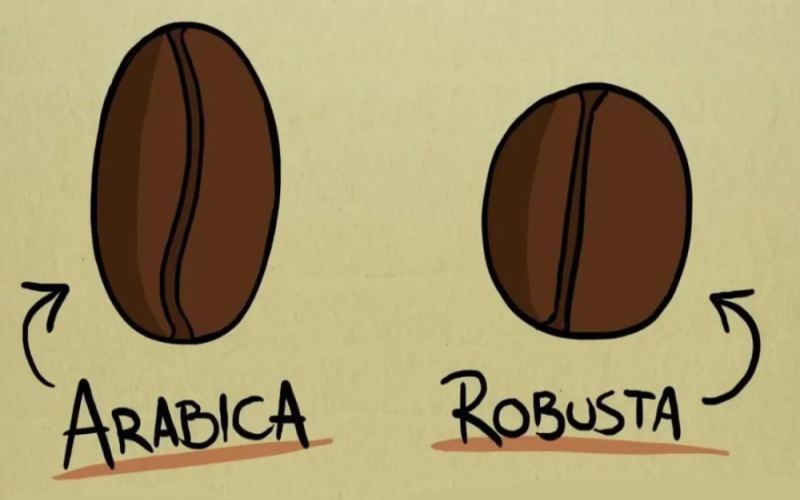
Coffee Basics | How Many Coffee Bean Varieties Does Arabica Coffee Have? Beginner-Friendly, Pour-Over-Approved Specialty Arabica Coffee Beans Tested and Recommended!
Although there are a great many varieties of coffee beans, when coffee beans on the market are classified by species, they can be divided into three types: Arabica, Robusta, and the relatively rare Liberica. If the numerous coffee beans are further classified by region, [more…]
Must-read for coffee beginners: 100 key Q&As to master the basics from scratch
Friends who are new to coffee are often intimidated by all the technical jargon and complicated equipment, but coffee really isn't that mysterious. Starting from zero, this article helps beginners set aside their preconceptions and systematically lays out the basic types of coffee, brewing tools, and ways to drink it. Whether you want to understand the difference between instant and single-origin, or you're curious about how to drink espresso, you'll find clear and easy-to-follow answers here. The article also covers common coffee equipment choices, and how to slowly develop your own coffee taste without any pressure. It's worth mentioning that many of Front Street Coffee's single-origin beans are also suitable for beginners to try, helping you easily take your first step into the world of coffee. [more…]
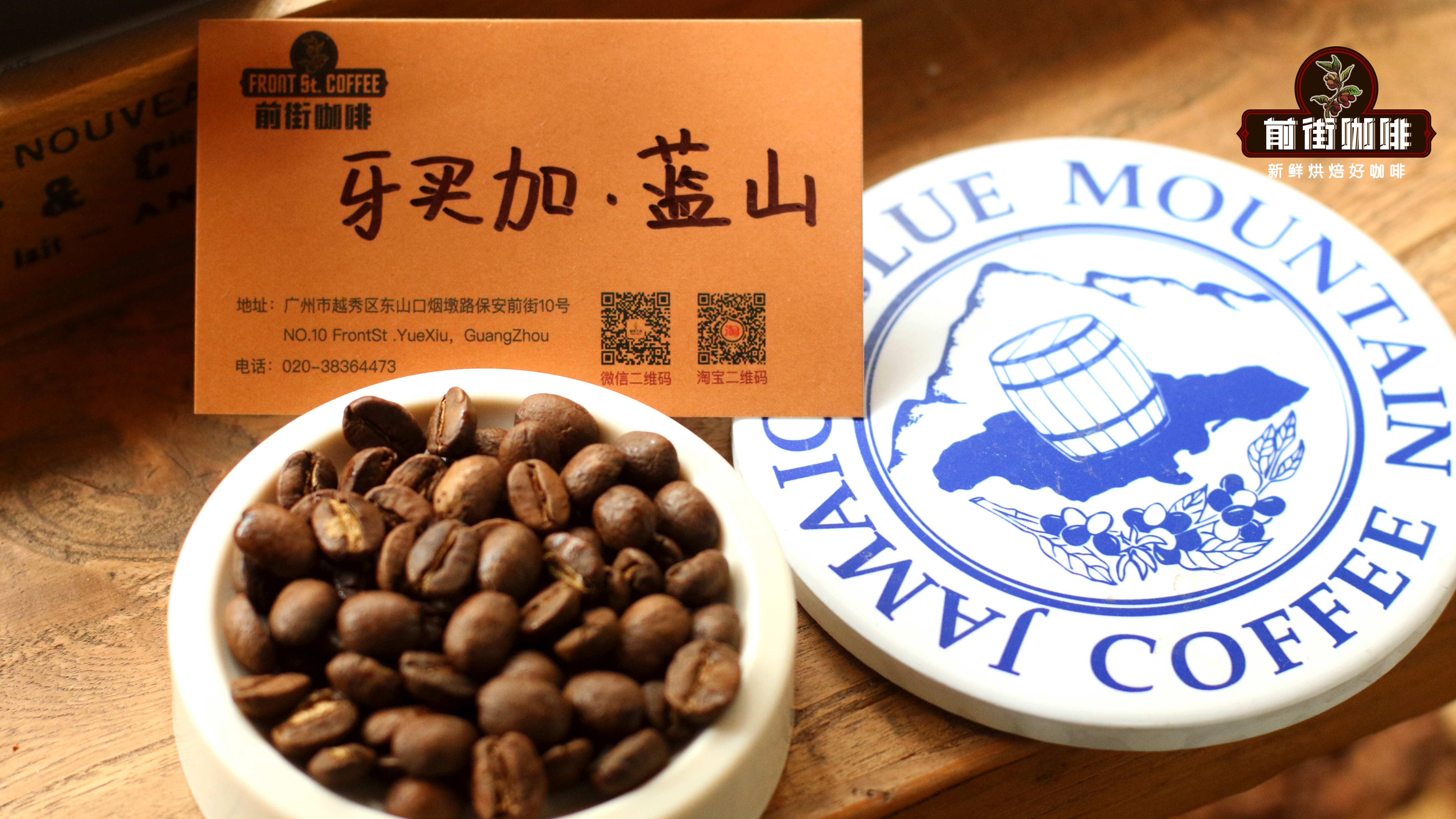
A Complete Guide to Jamaican Blue Mountain Coffee Basics: The Specialty Coffee Secrets from Growing Region and Varieties to Brewing Flavor
Around the turn of the millennium, Blue Mountain coffee was often portrayed in films, television, and print as a symbol of luxury, and its high price made it feel out of reach for many. So what exactly makes genuine Blue Mountain coffee so special? And in 2025, what background knowledge do you need to enjoy a cup? Starting from the definition of specialty coffee, this article systematically sorts through the legally defined growing regions, varietal lineage, washed processing procedures, medium-dark roasting approach, and pour-over extraction parameters of Jamaican Blue Mountain coffee, giving you a comprehensive understanding of the true character of this legendary coffee bean, along with Front Street Coffee's hands-on experience and flavor descriptions. [more…]
The Complete Guide to Arabica Coffee: From Variety Origins to Front Street Coffee's Recommended Bean List — Essential Pour-Over Basics
When buying coffee, what exactly does the word "Arabica" that frequently appears on packaging represent? It is not a country or a brand, but the most important species in the coffee world. This article will start from biological classification to clarify the differences between Arabica, Robusta, and Liberica, and then take a deeper look at the characteristics and flavor tendencies of mainstream varieties such as Typica, Bourbon, Caturra, Catuai, SL28/SL34, Geisha, Ethiopian heirloom varieties, and Catimor. At the same time, by combining several representative bean lists from Front Street Coffee, it helps coffee enthusiasts establish a clear understanding of the relationship between varieties and flavors at the beginner stage of pour-over coffee. [more…]
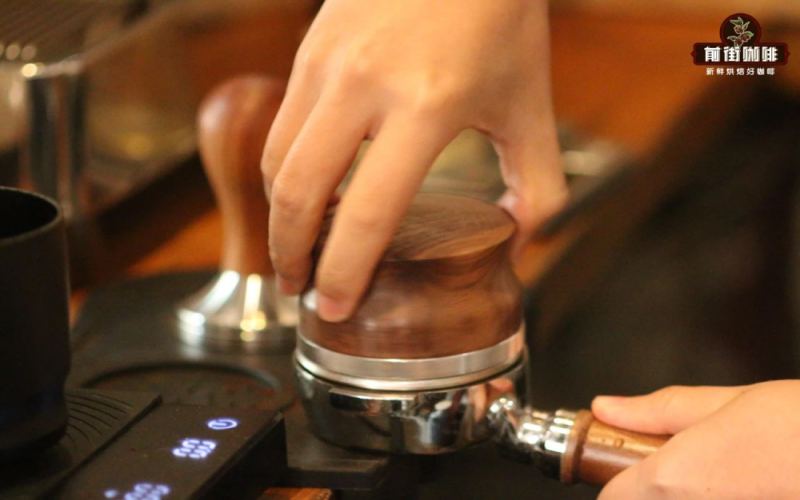
Espresso Brewing Basics | How Can Coffee Beginners Make Espresso? What Are the Steps in the Standard Espresso Brewing Process?
As public demand for coffee grows, more and more coffee enthusiasts are buying related coffee equipment. In the third wave of specialty coffee, online sales of pour-over coffee equipment have been steadily rising, and it is also becoming increasingly common for coffee lovers to keep an espresso machine at home. However, [more…]
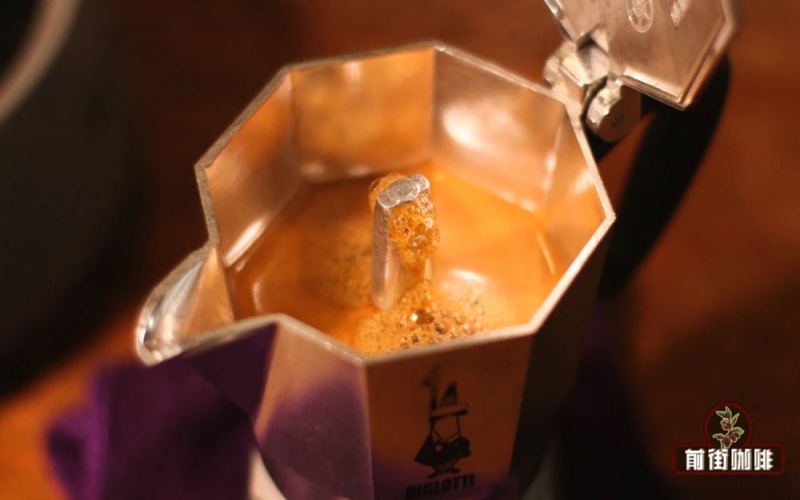
Moka Pot Coffee Brewing Tutorial: A Detailed Guide to Time, Coffee Dose, Grind Size, and Ratio Basics
Nowadays, more and more coffee enthusiasts enjoy making espresso at home themselves. Besides going to a café to order a latte or cappuccino, some have also started trying the easy-to-use moka pot. Although the moka pot is not as intense as espresso, nor as fresh and bright as pour-over, it is the most accessible espresso device. In this article, Front Street will walk you through the working principle of the moka pot, the difference between single-valve and double-valve models, the choice of coffee grind size and water temperature, and other basic knowledge, and share Front Street Coffee's specific steps for brewing coffee with a moka pot, technical details, cleaning and maintenance methods, as well as coffee bean recommendations suitable for the moka pot, to help you easily brew a cup of rich, full-bodied espresso with plenty of crema. [more…]
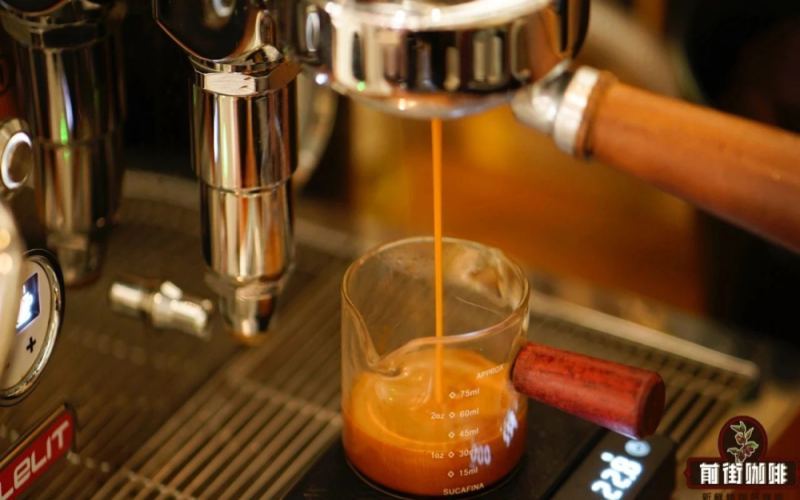
How Are Espresso Blends Different from Single-Origin Coffee Beans? A Complete Guide to the Basics for Beginners
Friends who are new to coffee often can't tell the difference between single-origin beans and espresso blends. This article systematically sorts out the core differences between these two types of coffee beans, from definitions and naming methods to flavor characteristics and practical application scenarios. Single-origin coffee emphasizes the regional flavor of a single origin, and is usually drunk without sugar or milk; blended coffee, on the other hand, pursues a balanced and rich taste by mixing multiple kinds of beans, and serves as the base for fancy coffee drinks. The article also introduces in detail the recipe concepts, flavor performance, and suitable scenarios of Front Street Coffee's five espresso blends, helping coffee lovers make the right choice according to their own needs. [more…]
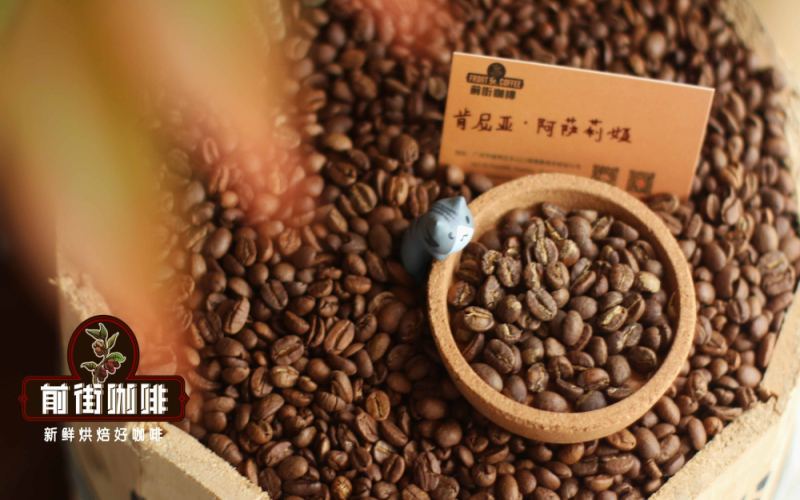
A Beginner's Guide to Pour-Over Coffee: Complete Basics from Three-Pour Technique to Reading the Coffee Bed
Many coffee enthusiasts who have purchased coffee beans from Front Street Coffee often ask in the backend about the specific method for brewing pour-over coffee. This article will systematically organize the introductory knowledge of pour-over coffee for beginners, starting with a detailed interpretation of two professional videos, covering key steps such as wetting the filter paper, controlling the blooming time, and the technique of pouring water in stages, and will explain in detail the setting principles of the four core parameters: grind size, water temperature, coffee-to-water ratio, and brewing duration. In addition, through various illustrations of coffee bed states, the article also helps readers determine whether the extraction is even, and provides troubleshooting ideas for common problems such as the coffee bed not blooming, bitter coffee, and insufficient flavor. [more…]
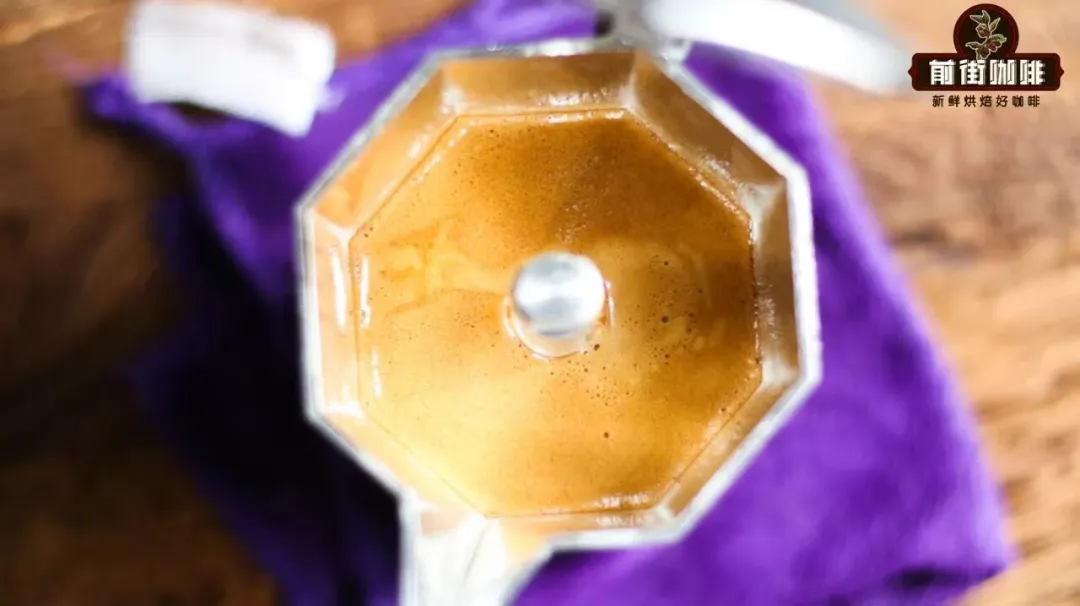
Coffee Basics | What is the coffee extraction principle of a Moka pot? How can coffee beginners use a Moka pot to make espresso-style black coffee? What are the pros and cons of a Moka pot?
Espresso is a coffee with a very long history and the soul of all coffee drinks. In fact, besides a semi-automatic espresso machine, there is another device that can make espresso: the moka pot. Below, Front Street Coffee will introduce it to you: the moka pot. What is a moka pot? Since the moka pot [more…]
Starbucks Espresso Ordering and Tasting Complete Guide: From Espresso Basics to Four Italian Blend Bean Recommendations
Espresso is the base for many specialty coffee drinks, and Starbucks is no exception. However, Espresso has a strong, heavy flavor that not everyone can easily accept. From the perspective of Front Street Coffee, this article systematically explains how to order Starbucks espresso, the definition and characteristics of Espresso, the logic behind choosing Italian blend beans, and recommends four blend coffee beans suitable for making espresso. In addition, it provides a detailed introduction to three common ways of drinking espresso—drinking it straight, adding milk to make milk-based drinks, and adding water to make Americano—as well as the preparation ratios and extraction parameters for lattes, helping coffee enthusiasts fully master the key points of tasting and making espresso. [more…]

Seven Elements of Hand-Brewed Coffee | Is the correct English for hand-brewed coffee "Hand Drip" or "Pour Over coffee"? What are the brewing methods for hand-brewed coffee?
What is the English for pour-over coffee? If translated literally, it could be rendered as "Hand coffee," but that term is definitely incorrect. Next, expressions like "Hand punch" are also common mistranslations. The correct term should be "Pour over coffee." Now, pour-over [more…]
A Complete Analysis of Pour-Over Coffee Parameters: Scientific Adjustment Approaches to Coffee-to-Water Ratio, Grind Size, Water Temperature, and Time
Many coffee enthusiasts make a point of visiting Front Street Coffee, drawn not only by the impressive variety of coffee beans but also by the baristas' brewing skills, which never fail to impress. When it comes to brewing a great cup of coffee, does it ultimately come down to hands-on technique or mental understanding? Front Street Coffee believes that water flow control and pouring are merely the basics. What truly determines the flavor direction is a deep understanding of the four key parameters: grind size, coffee-to-water ratio, water temperature, and time. This article will systematically lay out ways to improve your pour-over skills, from the interconnected relationships between parameters and methods for categorizing coffee bean characteristics to practical tips for keeping brewing records. Whether you are a beginner just getting into pour-over or an experienced brewer looking to break through a plateau, you'll find actionable guidance here. [more…]

Pour-Over Coffee Basics for Beginners | What Pour-Over Coffee Equipment Do Coffee Beginners Need to Prepare? What Roles Do the Coffee Pot, Coffee Grinder, Powder Sifting Net, and Coffee Dripper Play?
With the rise of the third wave of specialty coffee, more and more people are paying attention to coffee, including how to make a cup of coffee. Front Street Coffee believes that if you want to make coffee at home, the simplest option is pour-over coffee, since the equipment you buy isn't as bulky as an espresso machine and [more…]